
What Timeless Interior Design Really Means
Layered and complex but effortless in look.
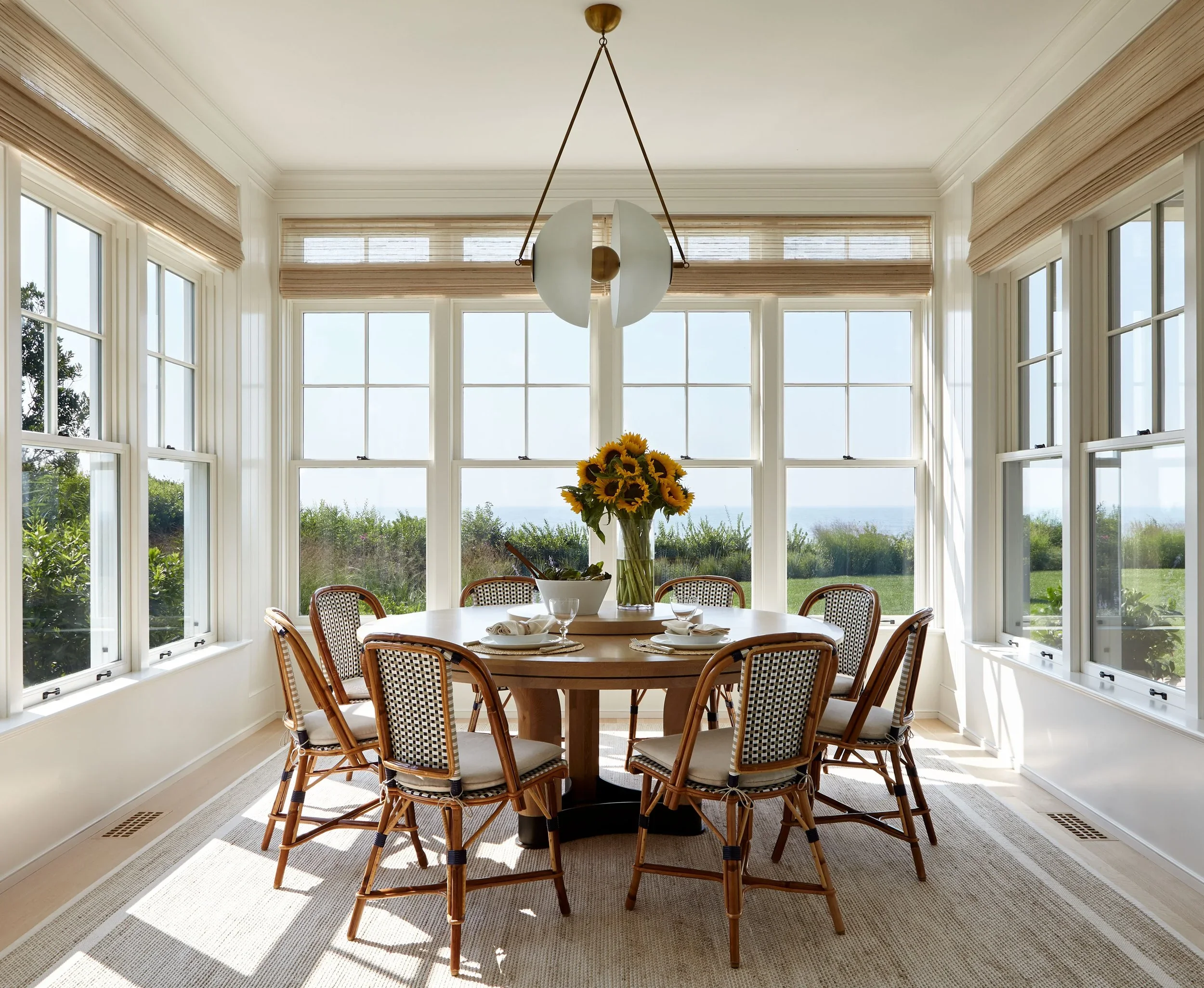
There are always trends to follow. A color of the year, a ubiquitous material, a popular time period that dominates the zeitgeist.
We don't design that way.
We are drawn to spaces that resist trends — homes that feel as relevant ten years from now as they do today. In order for that to happen, the design needs to feel collected and personal. This is what we mean when we talk about timeless interior design. But the word "timeless" gets used so freely that it has almost lost its shape. So let's talk about what it actually means in practice, and what it takes to get there.
Timeless is not the same as traditional
The most common misconception about timeless interior design is that it means traditional — that choosing longevity means choosing the familiar.
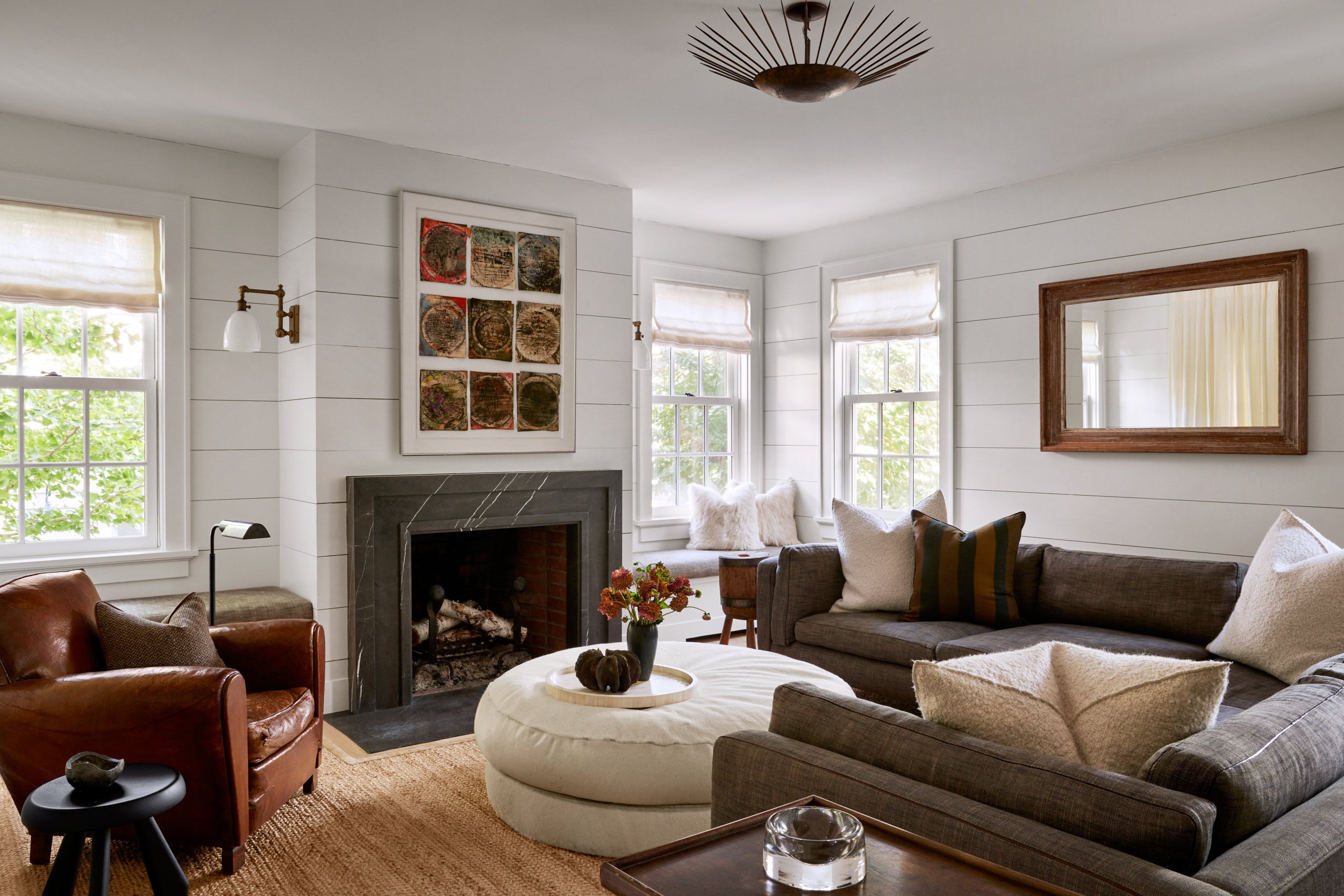
We've designed contemporary lofts, historic village homes, waterfront retreats, and classic estates. A Tribeca loft with raw concrete ceilings and mid-century French furniture, an East Hampton oceanfront home, a historic Sag Harbor village house. They are different from one another, but they share something more important than a common aesthetic. Every decision feels intentional. Every room reflects the people who live there.
The goal is never to create a home that looks timeless. The goal is to create one that feels deeply authentic.

The role of restraint
One of the most underrated tools in creating a timeless interior is knowing what not to add. Every room has a point at which it is finished, and the instinct to keep going past that point is one of the things that can make a space feel dated.
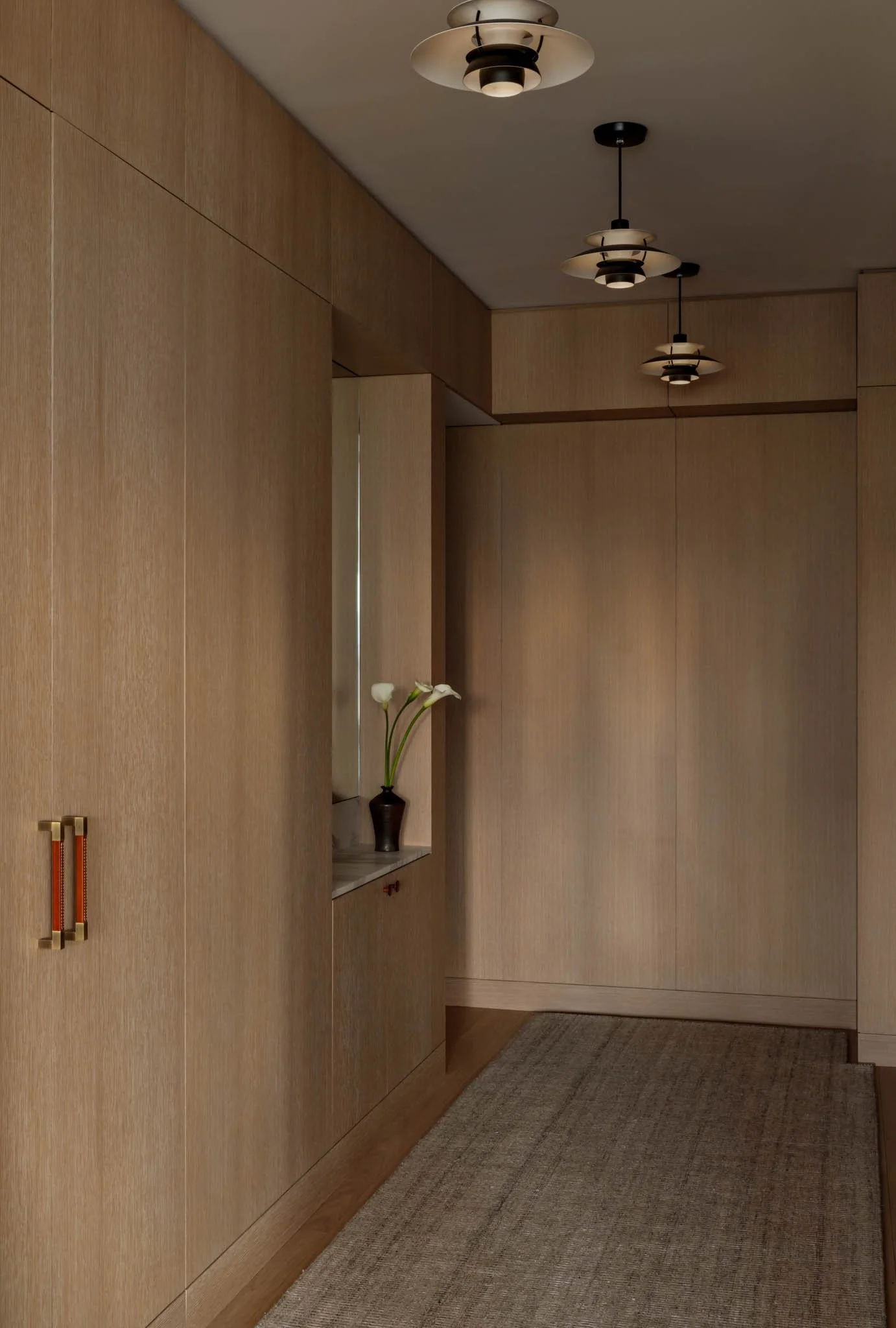
Timeless design for us is all about the edit. Not minimalism, but a confident edit, where every object in a room has been chosen deliberately. The result is always one of discovery; the rooms reveal themselves.
Restraint requires the confidence to listen. To the space, to the client, to the architecture, and even the land that surrounds a home. Design is a conversation.

Why vintage pieces matter
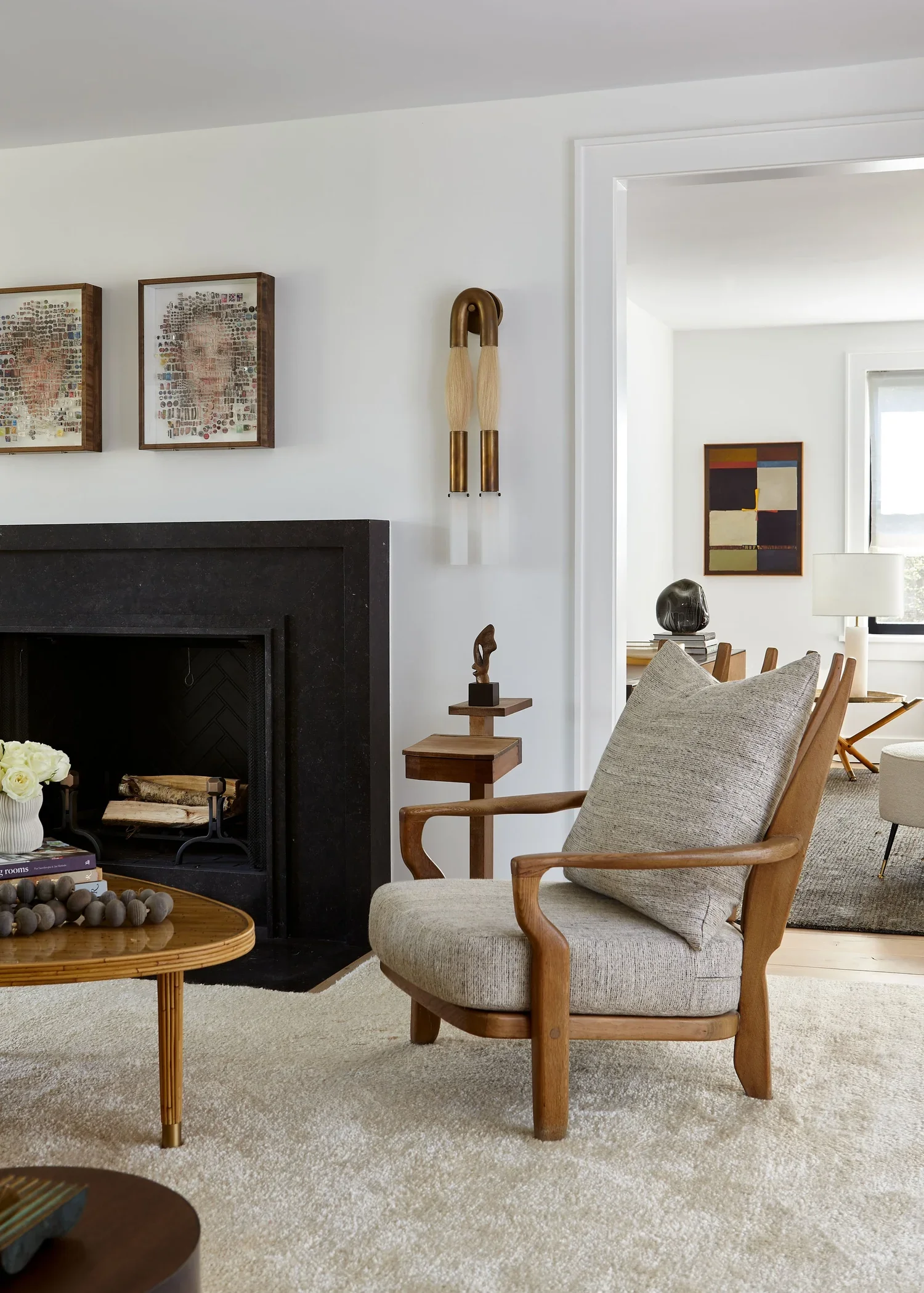
Antiques are reliable. They have stood the test of time and are the very definition of timeless. They give an interior a sense of place and history, they carry soul.
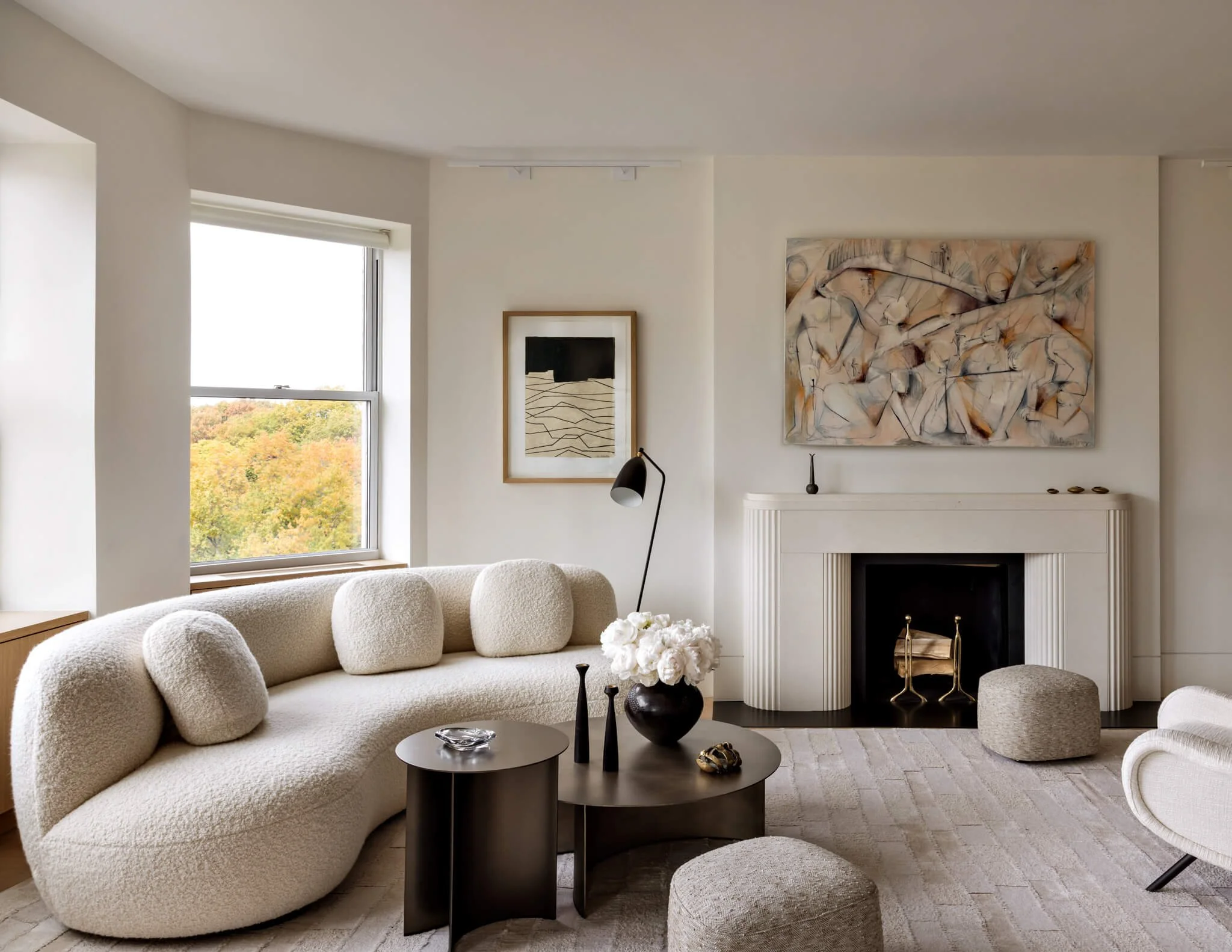
A perfectly imperfect bronze sculpture with decades of patina. A mid-century French daybed that looks as fresh and modern today as when it was created. A 1940s Parisian sunburst mirror that can be quietly magnetic. These are not decor, they are anchors. They give a room depth, a sense that each room has been lived in and loved over time.
This is also why we opened Ma-Tine — our shop of vintage furniture, objects, and finds. Every piece in the shop is something we would love to put in a home. The same eye that shapes our interiors curates our shop. Because we believe the objects you live with should have a life already in them.

The juxtaposition principle
Timeless interiors don't commit entirely to one period, one material, one register. Instead, they hold things in tension. A refined space is layered. Patina and the texture of time alongside contemporary pieces, and rich textiles that ground a room and create a multi-sensorial experience.
Juxtaposition is the principle that keeps an interior from feeling like a period room or a showroom, from being too perfectly of one moment. When you place something old next to something new, when you let patina exist next to polish, you create a space that exists slightly outside of a trend.
It is also, we would argue, how the most interesting people live. Not with a curated aesthetic, but with a genuinely accumulated life.

A final thought
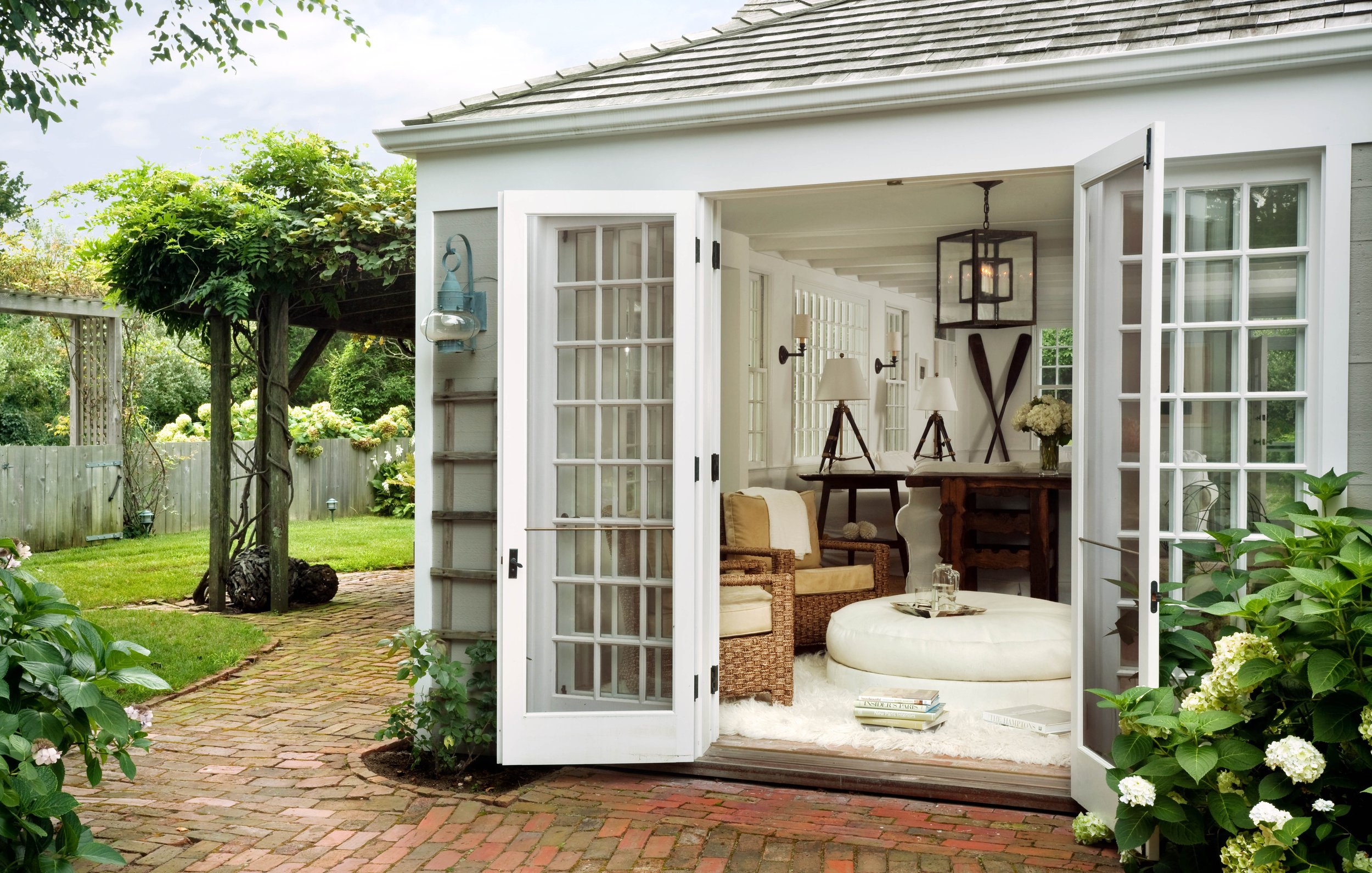
We are often asked what makes our work different. And the answer is this: we are not trying to design the most fashionable home. We are trying to design the home that is most fully yours; that reflects how you live, what you love, and what you want to come home to every day.
Timeless design, at its core, is personal design. Spaces that don't date because they were never trying to be of the moment.
Working on a home in the Hamptons, New York, or anywhere in the country? Marie-Christine Design is a full-service luxury residential interior design firm with locations in Sag Harbor and Manhattan.
We'd love to hear about your project.